Experiential Marketing in 2026: Building Brands Through Human Connection
The most valuable asset in marketing isn't attention anymore. It's memory.
For years, businesses have poured extraordinary amounts of time, creativity and budget into answering a single question: How do we get more attention? It was the right question for its time. When attention was scarce, the brands that could capture it had a genuine advantage. Today, however, we're living in a world where attention is abundant. Every notification, advertisement, email, podcast, social post and video competes for a few fleeting seconds, and the result is that we've become remarkably good at filtering almost all of it out.
Think about the last campaign that genuinely stayed with you. Not the one you admired because it was clever, but the one you still remember months or even years later. Chances are it wasn't because of a perfectly written advert or a beautifully targeted email. It was because something about it made you feel something. It created a memory, and memory has always been far more valuable than attention because memories are what people talk about, revisit and ultimately associate with a brand.
Perhaps that's why experiential marketing has become so important. It's no longer simply another tactic within a marketing strategy or another line in an annual budget. Increasingly, it's becoming the place where brands stop telling people who they are and start giving them the opportunity to experience it for themselves.
That shift couldn't be happening at a more important time. We live in the most connected era in history, yet many people have never felt more disconnected. We move effortlessly between emails, Teams calls, LinkedIn messages and WhatsApp conversations, communicating constantly throughout the day, but genuine human connection has quietly become one of the rarest experiences in business. Technology has transformed the way we work in extraordinary ways, making us faster, smarter and more efficient than ever before. Yet somewhere along the way we've mistaken communication for connection, forgetting that the two are not the same thing.
The organisations that will define the next decade are beginning to recognise this. They understand that technology should strengthen relationships rather than replace them, and that while artificial intelligence can personalise an email or recommend the next product a customer might buy, it cannot recreate the feeling of sharing an idea with someone over coffee or the energy that exists in a room where strangers become collaborators. Those moments still belong entirely to people, and perhaps they always will.
That's why the best experiential marketing never feels like marketing.
Instead, it feels like being welcomed into something worth being part of.
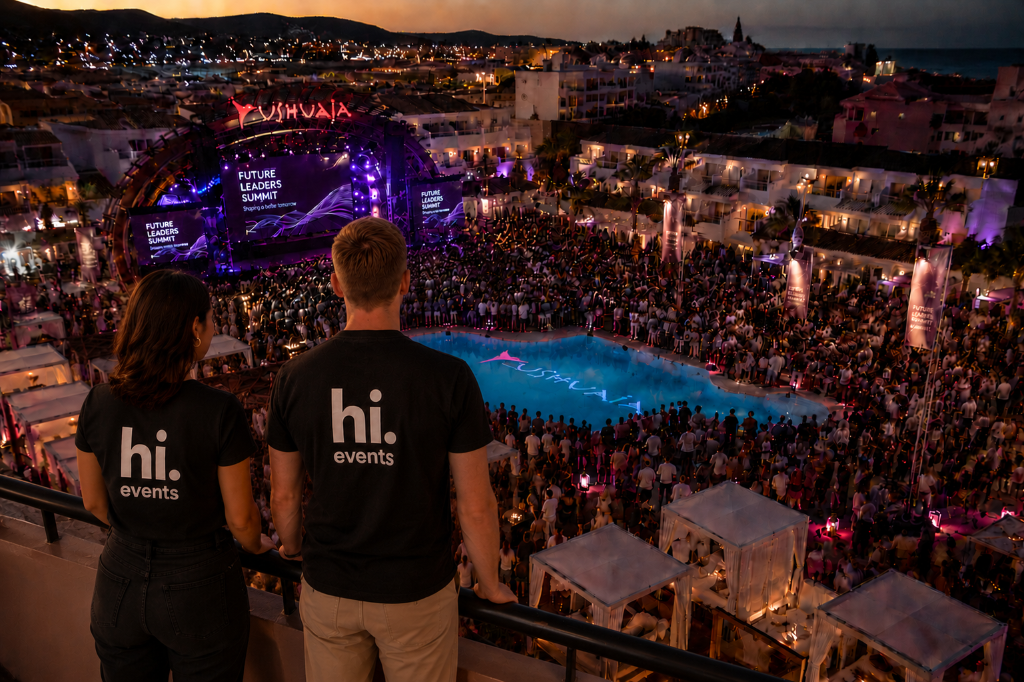
When someone walks into an event that has been designed with genuine intention, they aren't simply entering another venue or taking their seat for another conference. They're stepping into an environment where conversations feel natural rather than forced, where introductions happen because they make sense rather than because everyone has been told to network, and where people leave with new ideas, fresh perspectives and relationships that simply didn't exist a few hours earlier. None of that happens by accident. It happens because someone has thought deeply about the experience they want people to have long before the first guest arrives.
And that's an important distinction, because many people still assume experiential marketing is primarily about creating something visually impressive. They picture spectacular staging, immersive technology, dramatic lighting and moments designed to dominate social media feeds. Those things certainly have their place, but they were never the point. They are tools, not the outcome. Looking impressive might encourage someone to take a photograph, but creating an emotional connection gives them something much more valuable: a story they genuinely want to tell.
If you ask people what they remember from a truly exceptional event, they rarely begin by talking about the stage design or the keynote presentation. More often, they tell you about the conversation that unexpectedly changed the direction of their business, the introduction that became a lasting partnership or the person they happened to sit beside at dinner. They remember how the atmosphere made them feel, how easy it was to strike up conversations and how the whole experience somehow felt different from countless other events they had attended before.
Those moments are rarely accidental.
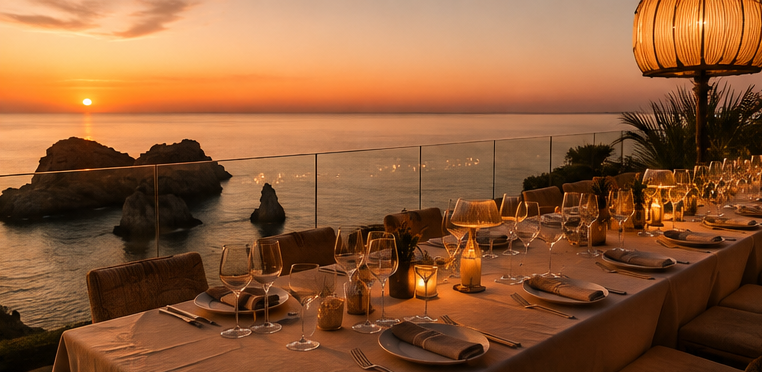
They're carefully designed through hundreds of small decisions that most guests never consciously notice. It's the warmth of the welcome at reception, the pace of the agenda, the amount of time left between sessions, the layout of the furniture, the lighting that subtly changes the mood of a room and the music that creates energy without demanding attention. Individually, each detail seems insignificant. Together, they shape the experience people carry away with them.
Over the years I've seen events with extraordinary budgets, flawless production and every piece of technology imaginable that somehow felt strangely empty. I've also seen remarkably simple gatherings create partnerships, friendships and opportunities that continued to generate value years later. The difference was never really the budget. It was the intention behind every decision. One had been designed to impress people; the other had been designed to connect them.
That's an important lesson because production should never become the experience itself. It should quietly support it. The lighting exists to shape the atmosphere, not become the headline. The entertainment should encourage conversations, not compete with them. Even the most beautiful venue is simply a backdrop if people leave without having formed meaningful relationships. At its heart, experiential marketing has never really been about designing events. It's about designing environments where trust can develop naturally, where people feel comfortable enough to be themselves and where business becomes personal again.
That matters because, despite everything that's changed over the last decade, one thing remains remarkably consistent: people still buy from people they trust.
Trust has never been built through impressions, click-through rates or perfectly optimised campaigns alone. It grows through conversations, shared experiences and moments that feel authentic rather than manufactured. That's why the success of an event is rarely measured by what happened during those few hours. The real measure is what happens afterwards. Do the conversations continue? Do people introduce one another? Are partnerships formed? Do clients feel more connected to your business than they did before they arrived?
Those are the outcomes that create genuine return on investment, and they're often invisible if you're only measuring attendance numbers or social media engagement.
Of course, people will still share photographs, record videos and post highlights online. In many ways that's inevitable, but the most valuable content is almost never created because someone has been encouraged to post about an event. It's created because the experience meant enough that they wanted to remember it. Social media then becomes the echo of what happened rather than the objective itself. It extends the reach of a great experience, but it can never replace the feeling of actually being there.
As artificial intelligence continues to reshape every industry, this becomes even more significant. Businesses will automate more processes, personalise more communications and use data more intelligently than ever before. Efficiency will continue to improve, but human connection will become increasingly valuable precisely because it cannot be automated. The more digital our world becomes, the more memorable genuine human experiences become. That's not a contradiction; it's a reminder of what has always mattered most.
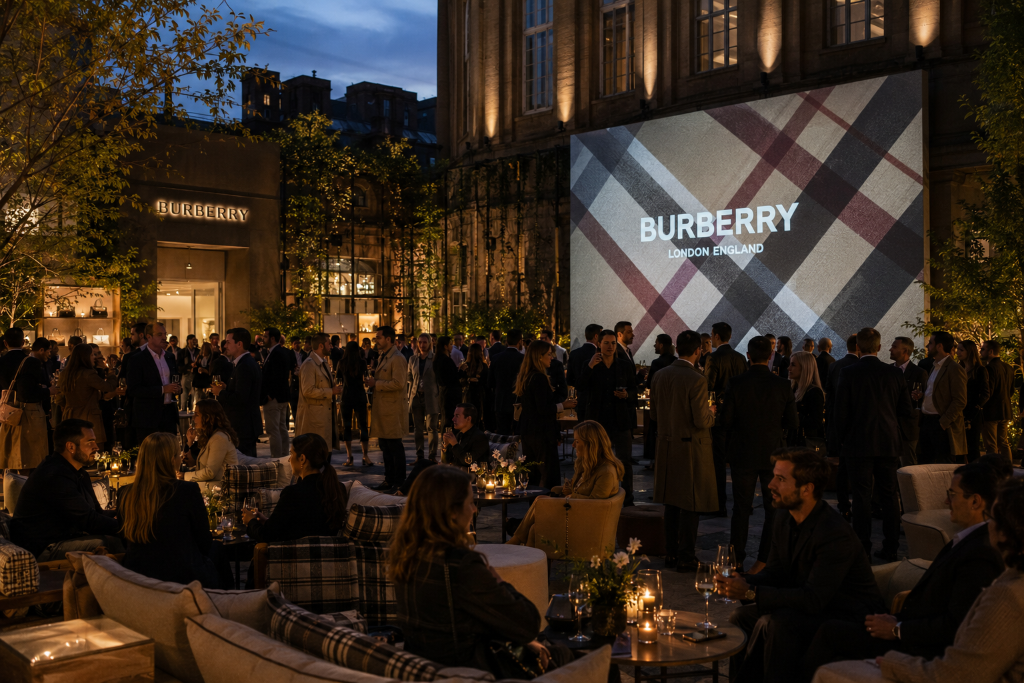
Whether you're a technology company launching a product, a professional services firm strengthening client relationships, a luxury brand creating moments of exclusivity or a growing business looking to build a community around your purpose, the principle remains exactly the same. People rarely remember everything you told them, but they will always remember how you made them feel and, more importantly, how you made them feel about themselves.
Perhaps that's why the future of experiential marketing isn't really about events at all.
It's about creating moments where people feel seen, valued and connected. It's about designing environments where ideas are exchanged freely, relationships are built naturally and trust grows without anyone feeling as though they're being sold to. The event itself is simply the beginning. The real impact is found in the conversations that continue afterwards, the partnerships that emerge months later and the stories people tell long after the venue has emptied.
In a world that is becoming increasingly automated, the brands that stand out won't necessarily be the loudest, the biggest or the most visible. They'll be the ones that never lose sight of what makes business, and life, meaningful in the first place.
Because people rarely remember exactly what a brand said.
They remember how that brand made them feel.
And those feelings become the stories that shape reputations, build trust and, ultimately, create extraordinary brands.