Corporate Event Planner Tips for Human Connection
- Exceptional planners design human connection, not just logistics - they start by understanding the people in the room and the result the event needs to create.
- Deep listening reveals the real goal behind the brief, changing a format request into a purpose-driven plan.
- Connection is designed through social cues and guest flow, not left to chance - layout, lighting, music, and even coffee station placement shape behaviour.
- Strong, long-term relationships with venues and suppliers create the effortless guest experience people remember.
- Careful organisation and forward planning create freedom to focus on people - contingencies make exceptional events look effortless.
Corporate Event Planner Tips for Human Connection
Ask someone what a corporate event planner does, and you will probably hear the same answers.
They organise venues. They manage suppliers. They book catering. They make sure everything runs on time.
All of that is true. But none of it explains what makes someone exceptional.
The best corporate event planners do not spend their careers simply organising events. They spend their careers understanding people.
Long before a venue is booked or a menu is chosen, they are asking different questions.
Why are these people coming together? What conversations need to happen? How should guests feel when they walk into the room? What relationships do we want to strengthen?
And perhaps the most important question of all: What do we want people to do after they leave?
At Hi Events, we believe every successful event begins there. Not with a floorplan. Not with a budget sheet. Not with a production schedule.
With people.
Events do not create value just by happening. They create value when people connect.
A conference is only the setting. A networking dinner is only the space. A leadership retreat is only the backdrop. The real event happens between people.
It happens in the chat over coffee before the keynote. It happens in the introductions made while waiting for lunch. It happens in the ideas shared on the walk back to the hotel. It happens when a client leaves feeling understood.
Those moments do not happen by accident. They are designed.
That is what great corporate event planning really is.
The First Skill Is Listening
One of the biggest myths about event planning is that clients always know exactly what they want.
They rarely do.
What they usually know is the result they want.
A managing director may ask for an annual conference. After a deeper conversation, you may find they need post-merger alignment after an acquisition.
Another client may ask for a networking evening. After a few more questions, you may realise they do not need a networking event at all. They need existing clients to spend more time together.
That is why good event planners, event organisers, and a strong event agency start with questions, not assumptions. The brief often changes once the real goal is clear.
That skill to listen is one of the most valuable skills a corporate event planner can have. Not listening simply to reply. Listening to understand. Listening for what is not being said.
The most effective event planners ask questions that go beyond logistics.
What does success look like? Who absolutely needs to meet? Where are relationships already strong? Where are they weaker? What conversations have never happened before?
Only once those questions are answered should planning begin.
Because when you know the destination, the route becomes much clearer. Planning without purpose is just organisation. Planning with purpose creates business impact.
Human Connection Is Designed, Not Left to Chance
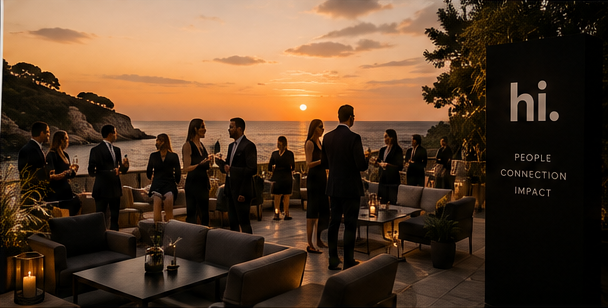
We have all felt it.
Walking into a room where everyone else seems to know each other. Holding a drink while pretending to check your phone. Scanning the room for someone familiar. Waiting for somebody else to make the first move.
No guest should ever feel like a spare part.
The best corporate event planners understand that human behaviour is just as important as logistics. People do not naturally connect just because they are in the same room. They connect when the space helps them talk.
Something as simple as changing the shape of the room can change the quality of the conversation.
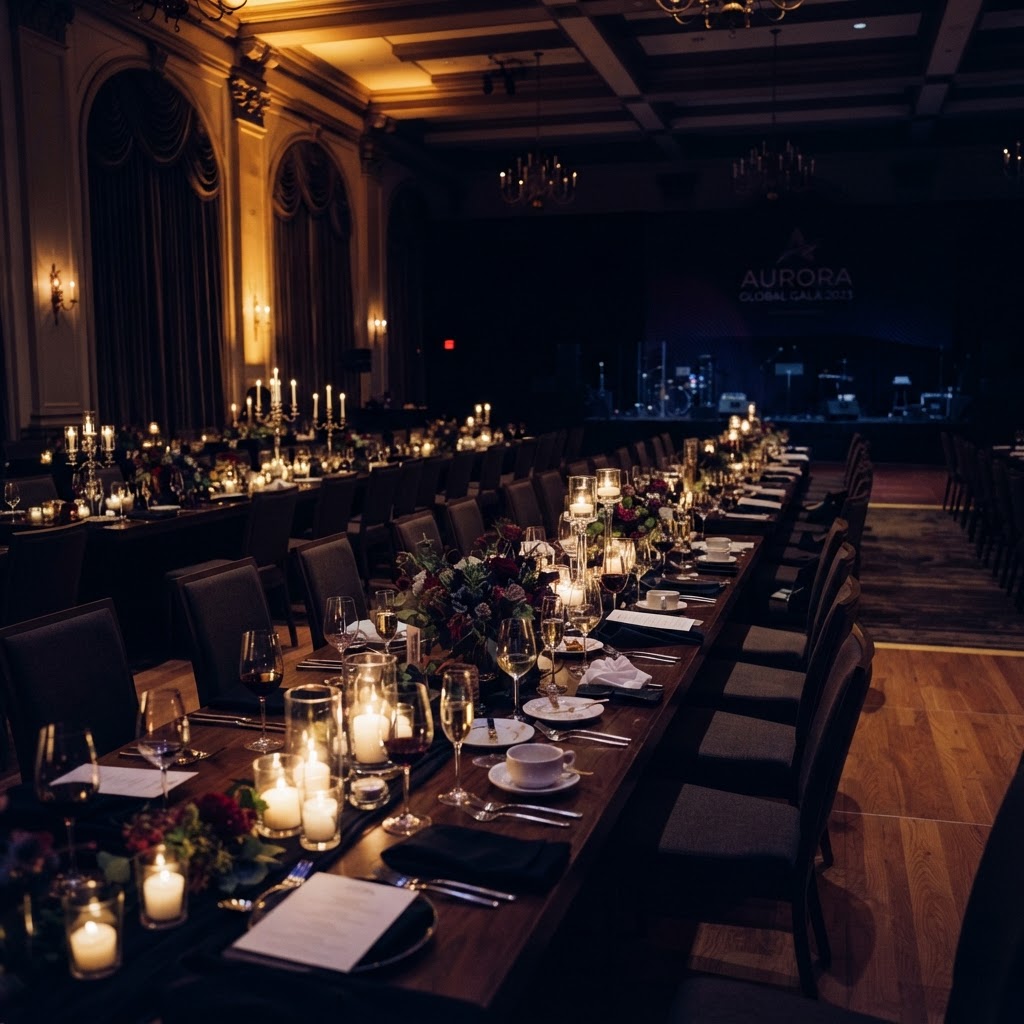
Large theatre seating helps people listen. Smaller lounge areas help people talk. Round dining tables invite everyone in. Long banquet tables create energy. Standing cocktail tables encourage movement.
Lighting changes behaviour. Music changes behaviour. Food changes behaviour. Even the coffee station location changes who meets whom.
Great event planning is understanding all of those invisible influences and using them with purpose.
It is why we spend so much time thinking about guest flow. How people arrive. Where they pause. Where conversations start. Where they feel comfortable. Where they feel inspired.
Because every decision either creates connection or creates friction.
The venue does not make the event. The people do. Our job is simply to help those people find each other.
Relationships Build Better Events
One of the questions we are often asked is how we keep delivering experiences that feel effortless.
The answer is simple. Relationships.
Not just with our clients. With everyone.
The venue manager who finds an extra breakout room at the last minute. The chef who creates an off-menu dish because a returning guest asked for it months ago. The florist who understands the brief without endless revisions. The audio-visual technician who spots a microphone issue before anyone else does. The chauffeur who knows the fastest route when the city comes to a standstill.
These relationships do not begin on event day. They grow over time.
That is why supplier management is not just about comparing quotes. It is about trust.
Any corporate event management company, event agency, or in-house team relies on the same thing: trust. The best event production companies, venues, and suppliers become an extension of your team because they know the standard you expect.
Clients often see one smooth experience. Backstage, hundreds of people may have helped create it.
The stronger those relationships are, the smoother every event feels. And like the relationships we build for our clients, those partnerships rest on one thing above all else.
Trust.
Organisation Creates Freedom
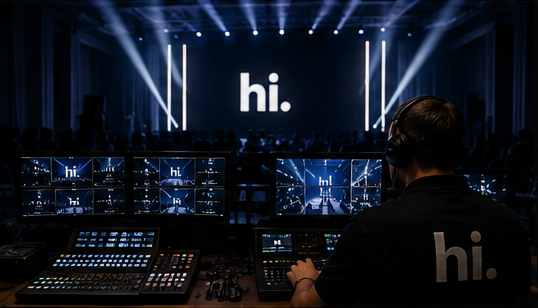
To many people, event planning looks exciting. The venue visits. The creative ideas. The food tastings. The beautifully dressed rooms just before guests arrive.
Those moments do exist. But behind every effortless event is a huge amount of organisation.
The more organised the planner is, the less anyone notices.
Guests should never see backup plans that were never needed. They should never know there was a second keynote ready in case the first speaker's flight was delayed. They should never realise that two suppliers were quietly replaced three weeks before the event because they no longer met the standard.
That is exactly how it should be.
Organisation is not about paperwork. It is about freedom. It gives the team space to focus on people, not problems.
A detailed event timeline is not there because planners love spreadsheets. It is there because it helps every supplier, venue, and team member work together with confidence.
Budgets work the same way. Many people see budgeting as a way to control costs. We see it differently.
A well-managed budget helps make better choices. It shows clients where investment adds real value and where it does not. Sometimes the most memorable moment of an event is not created by spending more. It is created by spending differently.
Perhaps that means investing in exceptional service rather than another piece of staging. Perhaps it means choosing one memorable dining experience instead of two average ones. Perhaps it means reducing production so the room feels more intimate and better for conversation.
The role of a corporate event planner is not just to spend a client budget. It is to use it well. Every pound should move the event closer to its goal. If it does not, it probably is not needed.
Creativity Without Purpose Is Just Decoration
Creativity is one of the most misunderstood parts of event planning.
People often think creativity means doing something no one has ever seen before. A huge entrance. A huge stage. An elaborate floral display. A famous performer.
Sometimes those ideas are exactly right. Sometimes they are not needed at all.
At Hi Events, creativity always starts with one question.
Why?
Why does this belong here? What purpose does it serve? How does it help people connect?
Because creativity without purpose is just decoration. Real creativity solves problems.
Imagine you are hosting a networking event for senior leaders who have never met. Many planners would start with entertainment. We would start somewhere else.
How can we make introductions feel natural? How do we remove the awkwardness of walking into a room full of strangers? Could the welcome drink become part of the networking experience? Should guests arrive in smaller groups rather than all at once? Would shared dining create stronger conversations than standing reception tables? Could the menu itself become a talking point with local producers or seasonal ingredients?
Then creativity is not about making something look impressive. It is about designing experiences that change behaviour.
Some of the most successful ideas we have ever delivered would barely be noticed by someone walking into the room. But every guest would feel the difference.
That is because the best creative ideas do not shout. They quietly shape the whole experience.
Great Event Planners Solve Problems Before They Exist
People often compliment an event by saying, Everything went perfectly.
The truth? Very few events are perfect.
The difference is that great event planners deal with problems long before anyone else knows they exist.
A supplier runs twenty minutes behind schedule. A keynote speaker misses a connection. Unexpected weather changes an outdoor drinks reception. A dietary need appears the day before the event. A delivery vehicle arrives at the wrong entrance.
These things happen every week.
Experience does not mean avoiding problems. Experience means expecting them.
The best corporate event planners spend as much time preparing for what might happen as they do planning what should happen.
Every event should have backup plans. Alternative suppliers. Backup equipment. Extra transport. Weather plans. Emergency contacts. Flexible schedules.
Not because we expect things to go wrong. Because preparation creates confidence.
Clients do not hire an event planner because everything always goes to plan. They hire one because, when something does not, they know someone calm, experienced, and prepared is already dealing with it.
Most of the time, they will never even know there was a problem. And that is one of the greatest compliments an event planner can receive.
Because exceptional event management often looks effortless. It only looks effortless because someone spent months making sure it felt that way.
Q&A
What actually makes a corporate event planner exceptional?
Exceptional planners do not just manage logistics - they design human connection. They start by understanding the people in the room and the result the event needs to create.
Why are guests gathering? What conversations must happen? How should people feel? Which relationships should grow? What should happen after the event?
Venues, schedules, and suppliers are tools. The real event happens in the moments that build understanding, ideas, and trust.
Why is listening the first skill, and how can it change the brief?
Clients often arrive with a format in mind but a goal that still needs to be found.
Deep listening reveals that goal and changes the brief. A conference request may really be about post-merger alignment; a networking night might be better served by more meaningful time with existing clients.
The right questions - What does success look like? Who must meet? Where are relationships weak or strong? - define the destination, so planning has purpose, not just organisation.
How do you intentionally design environments that spark connection?
Connection is designed through social cues and guest flow, not left to chance. Thoughtful choices help people talk, listen, and mix:
- Layout: theatre seating helps people listen; lounges help people talk; round tables invite everyone in; long banquet tables create energy; cocktail tables encourage movement.
- Sensory cues: lighting, music, and food all shape behaviour and interaction.
- Small shifts: even a coffee station's location changes who meets whom.
- Guest flow: plan arrivals, pause points, conversation zones, and moments of comfort and energy.
Purposeful creativity asks, Why does this belong here? and solves problems like easier introductions or less first-minute awkwardness, rather than adding decoration that does not help connection.
Why do relationships with venues and suppliers matter so much?
Strong, long-term partnerships create the smooth guest experience people remember. Trusted teams anticipate needs, adapt fast, and keep standards high: a venue manager secures an extra breakout room; a chef makes an off-menu favourite; a florist gets the brief without endless revisions; an AV tech fixes issues before they are noticed; a chauffeur finds the faster route.
These partners become an extension of the team, turning hundreds of backstage contributions into one seamless moment - grounded in trust.
What makes an event feel effortless when things rarely go perfectly?
Careful organisation and forward planning create freedom to focus on people. Detailed timelines keep every partner aligned, and well-managed budgets guide wise investment: exceptional service instead of extra staging; one memorable dining moment instead of two average ones; less production to create more intimacy.
Contingencies - backup speakers and equipment, alternative suppliers, transport options, weather plans, and flexible schedules - are prepared in advance. Great planners expect problems, solve them early, and keep guests unaware, which is exactly how an exceptional event should feel.