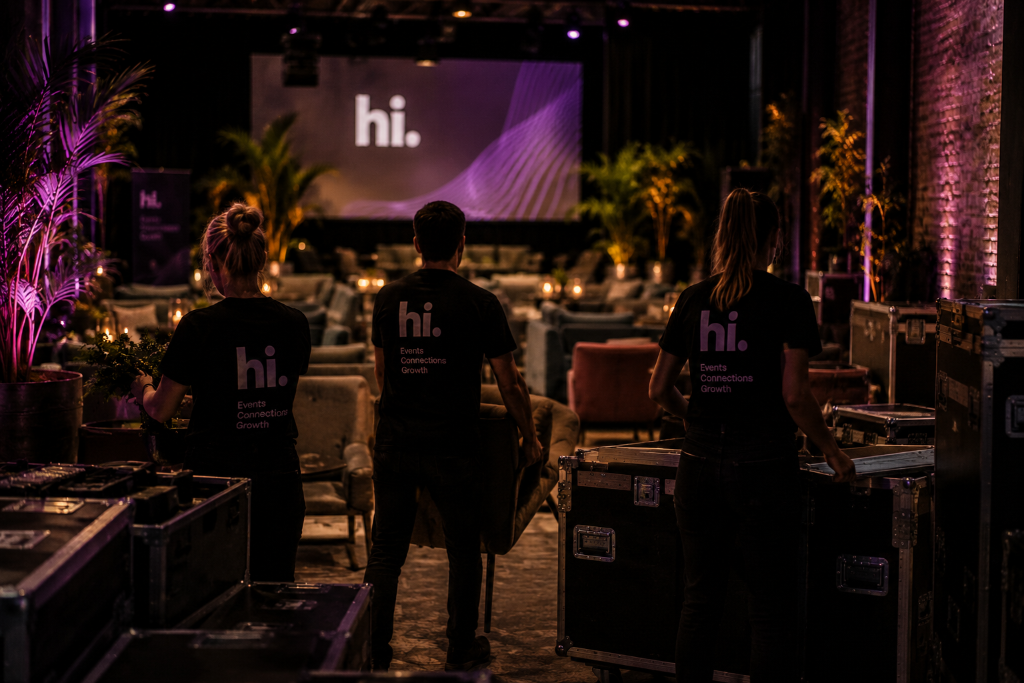
The best event design is the kind guests never think about
Event design isn't decoration. It's the deliberate shaping of space, light, sound and flow to create an environment where the right things happen naturally - and where guests feel something without being told what to feel.
Event design is the invisible architecture of every memorable experience. It's not decoration - it's the deliberate shaping of space, light, sound, flow and atmosphere to create an environment where the right things happen naturally. When event design works, guests never think about it. They simply feel that the room was ready for them, that the space invited the right kind of interaction, that the atmosphere supported the purpose of the evening. That invisibility is the hardest thing to achieve - and the most powerful.
Event Design Is Not Decoration
There's an important distinction between event design and event decoration. Decoration is what a space looks like - the flowers, the table settings, the colour scheme. Design is how a space works - how people move through it, where conversations form, what the lighting does to the mood, how the sound shapes the energy.
Decoration can be beautiful without being effective. A room can look stunning in photographs but fail to create the conditions for genuine interaction. Design, by contrast, is functional. It asks: what do we want people to do in this space, and how does the environment either support or prevent that? A room designed for networking looks different from a room designed for presentations, which looks different from a room designed for intimate conversation.
This is why event design matters strategically, not just aesthetically. The environment shapes behaviour. A space that's too bright discourages intimacy. A layout that forces people past each other without stopping prevents conversation. A room that's too loud makes talking impossible. Design isn't about how the room looks. It's about how the room makes people behave.
Design isn't about how the room looks. It's about how the room makes people behave.
Space, Light, Sound and Flow
Every element of event design serves a purpose. Spatial planning determines where people gather, how they move, and where conversations form naturally. Lighting design shapes mood - warm enough for faces, dim enough for intimacy, bright enough for visibility, controlled enough for reveal moments. Sound design creates atmosphere - music that sets energy without overwhelming conversation, acoustics that allow talking without shouting.
Flow is perhaps the most overlooked element. How guests move through a space - from arrival to seating to networking to departure - determines the quality of their experience. A well-designed flow feels effortless. Guests never wonder where to go, never feel lost, never have to search for the bar or the cloakroom or the quiet corner. The space guides them naturally, and the experience feels seamless because of it.
When these elements work together - space, light, sound and flow - the environment becomes more than the sum of its parts. It becomes an experience that shapes how people feel, how they interact and what they remember.
Bespoke Design vs. Off-the-Shelf
Bespoke event design means creating an environment specifically for the people, purpose and occasion at hand - not applying a template. It means sourcing scenic elements, designing spatial layouts and curating atmospheric details that serve the specific outcome the event is meant to achieve.
For brand activations, bespoke design is even more critical. The environment needs to become a physical expression of the brand - not through logos and signage, but through the feeling the space creates. Every design decision, from the flooring to the floral installations to the lighting cues, should reinforce the brand world the experience is meant to immerse guests within.
This level of design requires creative vision, technical expertise and production capability working together. It requires a team that can translate a concept into a physical environment - designing, sourcing, building and styling every element with a single creative direction. The result is an environment that feels intentional rather than assembled, immersive rather than merely decorated.
What Considered Design Creates
When event design is done well, the outcomes are felt rather than seen. Guests stay longer because the space invites them to. Conversations flow more naturally because the environment supports them. The event feels intentional because every element was chosen with purpose.
For brand experiences and product launches, design quality is the difference between an activation that lands and one that doesn't. A well-designed environment doesn't just showcase a product - it makes guests feel something about the brand. That feeling, more than any signage or presentation, is what they carry home and what they remember months later.
The return on investment in quality event design is measured in the feeling guests had - the sense that the space was ready for them, that the atmosphere was right, that the experience was effortless. That feeling is the foundation of every relationship, conversation and outcome that follows. And it's why treating design as decoration rather than strategy is one of the most common - and most costly - mistakes in corporate events.
Essays that explore this further.
Related cornerstone topics.
If this resonates, let's talk.
We help organisations design events around the relationships and outcomes that matter.